Which construction processes can be automated with AI?
October 14, 2025Studio Vi
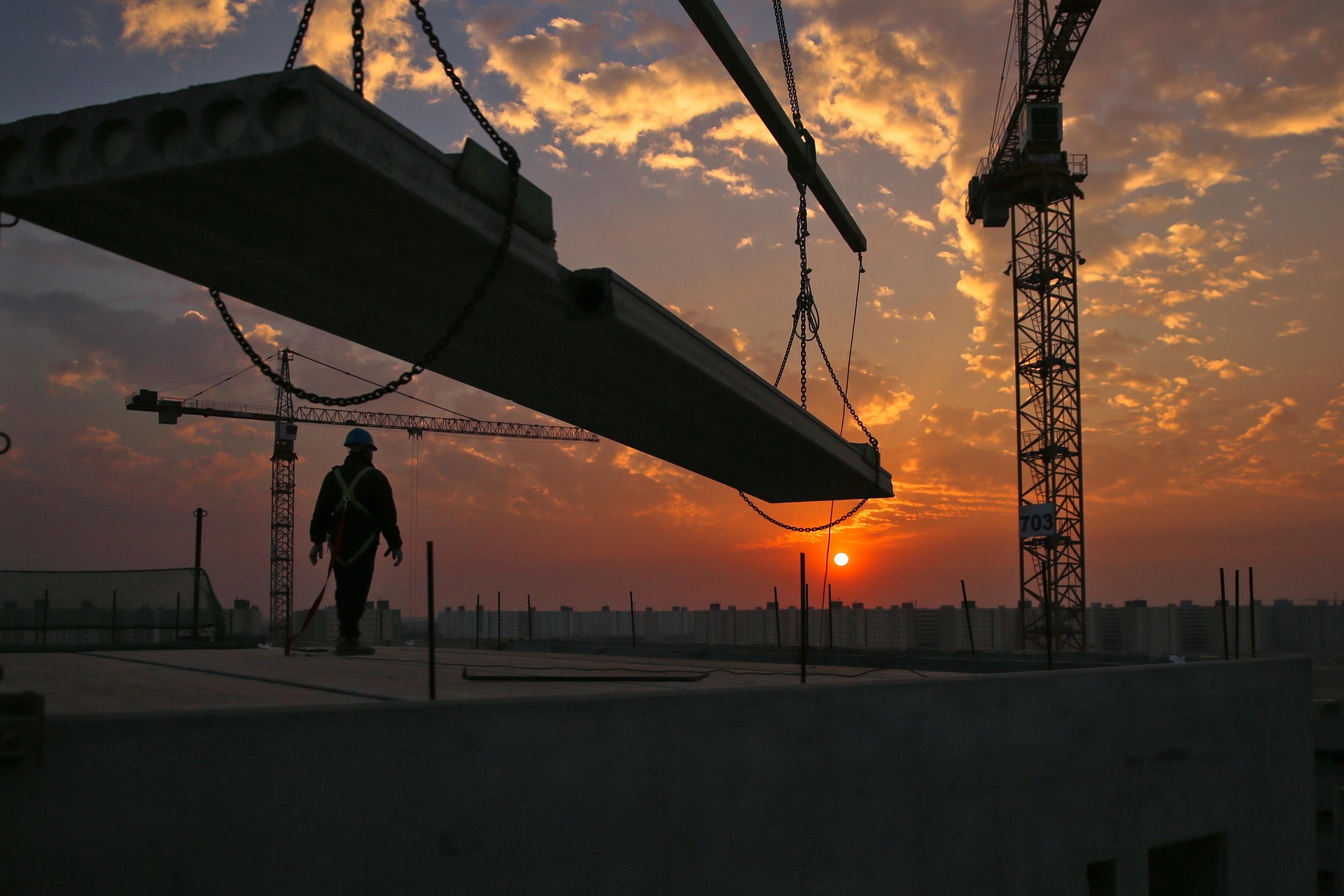
AI automation is transforming the construction and engineering sector by making complex processes smarter and more efficient. From project planning to quality control, AI solutions can help construction companies with cost savings, risk management, and process optimization. This technology is especially beneficial for repetitive tasks, data analysis, and predictive planning where human capacity falls short.
Which construction processes are most suitable for AI automation?
Project planning, cost estimation, risk management, and quality control are the most suitable construction processes for AI automation. These processes involve large amounts of data, repetitive patterns, and complex variables that AI solutions can effectively analyze and optimize.
Project planning benefits from AI through automatic scheduling, resource allocation, and timeline optimization. Machine learning algorithms can analyze historical project data to create realistic schedules that take into account weather conditions, material delivery, and workforce availability.
Cost estimation becomes more accurate with AI automation services that monitor market prices, material costs, and labor hours in real time. These systems can predict budget overruns before they occur and suggest alternative solutions.
Risk management powered by AI identifies potential issues by analyzing project data, weather forecasts, and historical incidents. This enables construction companies to take proactive measures instead of reacting to problems after they arise.
Quality control automation uses computer vision and sensor technology to detect deviations that might be missed by the human eye. These systems operate continuously and objectively, resulting in more consistent quality standards.
How can AI improve project management in the construction sector?
AI enhances project management through planning optimization, intelligent resource allocation, accurate timeline forecasting, and early risk identification. These technologies make complex construction projects more transparent and manageable for project managers.
Planning optimization is achieved through AI algorithms that can analyze thousands of variables simultaneously. They determine the most efficient work sequences, identify critical paths, and calculate alternative scenarios when delays occur.
Resource allocation becomes smarter with AI systems that monitor the availability of personnel, machinery, and materials in real time. They can automatically suggest reallocations when priorities shift or unexpected situations arise.
Timeline forecasting becomes more accurate thanks to AI transformation partner systems that combine historical data with current project conditions. These forecasts help stakeholders set realistic expectations and meet contractual commitments.
Risk identification takes place continuously through AI monitoring of project indicators. The system can issue alerts for potential delays, budget overruns, or safety issues before they become critical.
Which AI technologies are used for quality control in construction projects?
Computer vision, machine learning algorithms, and IoT sensors are the main AI technologies used for quality control in construction projects. These technologies automate inspection processes, detect defects, and monitor compliance with construction standards.
Computer vision systems analyze photos and videos of construction activities to identify irregularities. They can detect cracks in concrete, verify that installations are properly placed, and monitor work progress without human intervention.
Machine learning algorithms learn from historical quality data to recognize patterns that indicate potential issues. They can predict where defects are likely to occur and suggest preventive actions.
IoT sensors continuously collect data on temperature, humidity, vibrations, and other environmental factors that affect construction quality. These sensors can automatically trigger alerts when values fall outside acceptable ranges.
Defect detection systems combine these technologies to identify anomalies that the human eye might miss. They can operate in hazardous environments where human inspection would be risky.
Compliance monitoring is automated through AI systems that verify whether construction activities meet building regulations and safety standards. This reduces the risk of fines and costly rework.

Vidar Daniels CEO
Ready to dive deeper?
How does AI help optimize construction costs and budget management?
AI optimizes construction costs through predictive cost estimation, intelligent material optimization, and real-time budget control. These systems provide early warnings for budget overruns and suggest cost-saving alternatives.
Cost estimation becomes more accurate thanks to AI analysis of historical project data, market prices, and local factors. These systems can account for seasonal fluctuations, supplier rates, and regional labor cost differences.
Material optimization is achieved through AI algorithms that calculate the most cost-effective combination of materials. They analyze quality, price, delivery time, and sustainability to make optimal choices.
Budget control systems monitor expenses in real time and compare them against planned budgets. They can automatically send alerts when certain cost categories are at risk of exceeding limits.
Early warning systems analyze project indicators to predict budget overruns before they occur, giving project managers time to take corrective action.
Cost-saving alternatives are automatically proposed by AI systems that evaluate different scenarios. They can suggest alternative materials, methods, or schedules that reduce costs without compromising quality.
What are the practical challenges of implementing AI in construction processes?
Data integration, employee training, technology adoption, and change management are the main challenges in implementing AI within construction processes. Traditional construction organizations must make significant adjustments to use AI systems effectively.
Data integration poses a major challenge because construction projects generate data from multiple sources and systems. Harmonizing this data and ensuring consistent quality requires substantial technical expertise and investment.
Employee training is essential but complex, as many construction professionals have limited experience with advanced technologies. Effective training programs need to be practical and tailored to different levels of experience.
Technology adoption is often slow in the traditional construction sector. Resistance to change, concerns about job security, and doubts about the reliability of AI systems can delay implementation.
Change management requires a strategic approach in which organizations adapt their processes, culture, and mindset. This often means breaking ingrained habits and building support for new technologies.
Investment costs can be substantial, particularly for smaller construction companies. The initial expenses for AI systems, training, and infrastructure must be weighed against the expected long-term benefits.
AI automation offers construction companies opportunities to work more efficiently, accurately, and cost-effectively. Although implementation comes with challenges, organizations that take this step can gain a significant competitive advantage. The key lies in a well-thought-out approach that combines technology with proper training and change management through AI strategy, data, and consulting. Would you like to learn more about how AI automation can transform your construction processes? Explore our solutions or contact us for a personal consultation.
<mark>Questions?</mark> Glad you asked!
Implementing AI automation typically takes 6–18 months, depending on the complexity of your processes and chosen solutions. A phased approach, starting with one specific process (such as cost estimation), accelerates adoption and reduces risks. Smaller construction companies can often implement faster than large organizations due to fewer complex legacy systems.
Costs vary widely, from €10,000 for basic AI tools to €100,000+ for fully integrated systems. Cloud-based solutions often have lower startup costs, with monthly subscriptions starting at €500–2,000. Calculate an ROI period of 12–24 months based on savings in labor costs, material optimization, and reduced errors.
Yes, modern AI solutions are designed to integrate with popular construction software such as AutoCAD, Revit, Microsoft Project, and ERP systems. API connections enable seamless data exchange without complete system replacement. It’s important to check during selection which integrations are available for your current software stack.
AI systems typically achieve 85–95% accuracy in cost estimates and schedules, compared to 70–80% with traditional methods. Accuracy improves as more project data becomes available. For risk identification, AI systems detect 40–60% more potential issues than manual analyses, resulting in fewer unexpected delays and cost overruns.
AI replaces repetitive tasks but creates new roles such as data analysts, AI system administrators, and technical specialists. Experienced construction professionals become more valuable as they can interpret AI insights and make strategic decisions. Invest in upskilling your team to prepare them for this evolution and maintain their value.
Choose AI vendors that offer compliance modules for local building codes and safety standards. Configure systems to automatically check for regulatory updates and implement approval workflows where human experts validate AI recommendations. Document all AI decisions for audit purposes and always maintain final responsibility with qualified professionals.
Begin with a process audit to identify which repetitive tasks consume the most time. Start small with one specific process such as cost estimation or scheduling, and choose a reliable AI partner with experience in the construction sector. Ensure adequate data quality by organizing your historical project information and invest in basic training for your team before implementing the technology.

AI roadmaps for real estate organizations: how to create momentum
Discover how real estate organizations successfully implement AI with strategic roadmaps. Practical step-by-step plans for returns and efficiency.

What you need to measure in AI projects to demonstrate real impact
Measuring AI projects requires different KPIs than traditional IT. Learn concrete measurement methods for demonstrable impact and ROI.

How does AI help with construction cost estimation?
AI makes construction calculations faster and more accurate through data analysis, pattern recognition, and error prevention. Discover the concrete benefits for your organization.