Automating repetitive visual work with computer vision

Many organisations still process images manually: recognising, cutting out, classifying. Work that requires accuracy but is hard to scale. Computer vision automates that process.
Context
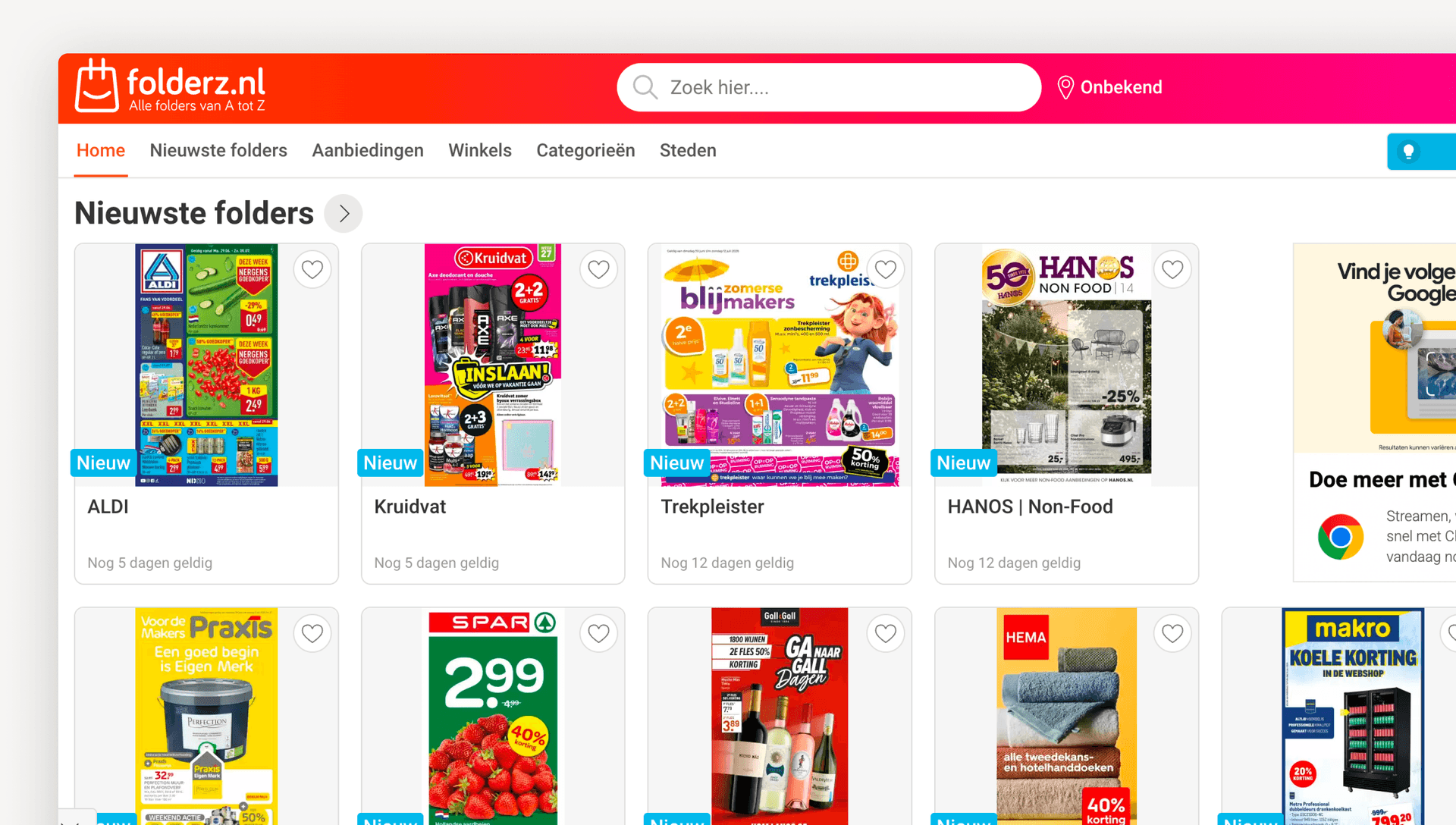
Folderz is a Dutch platform where millions of users compare weekly offers from supermarkets, drugstores and other retailers, by product, with price history and direct links through to the store. The platform is active in multiple countries and processes the leaflets of hundreds of organisations every week.
To make that overview possible, every offer on every leaflet page must be individually detected, cropped and linked to price and product information. This is an operationally intensive process: high volume, weekly recurrence, susceptible to errors and dependent on manual execution.
Operational challenge
The manual processing workflow had a hard capacity ceiling. Every leaflet page required human review: detecting where an offer begins and ends, cropping the correct image, linking it to the correct metadata. Variation in layout, visual style and language across retailers and countries made standardisation complex.
The direct consequences: the process did not scale to new markets, new retailers or growing offer volumes. Expansion was only possible through proportional growth in manual capacity. Error rates increased at higher volumes. Operational growth capacity was therefore structurally constrained.
Where value was being lost
The limitation lay not in data availability, but in the ability to process that data in an automated and consistent way. Folderz held years of documented manual processing records, per offer, with precise coordinates on the leaflet page. That data was not being used as a knowledge base for automation. Its operational value remained untapped.
Studio Vi’s approach
The starting point was Folderz’s existing dataset: years of manually documented offer detections stored in their own internal platform. That data formed the training set, no external data required, no assumptions about the domain. Existing operational knowledge was used as the foundation for the intelligence layer.
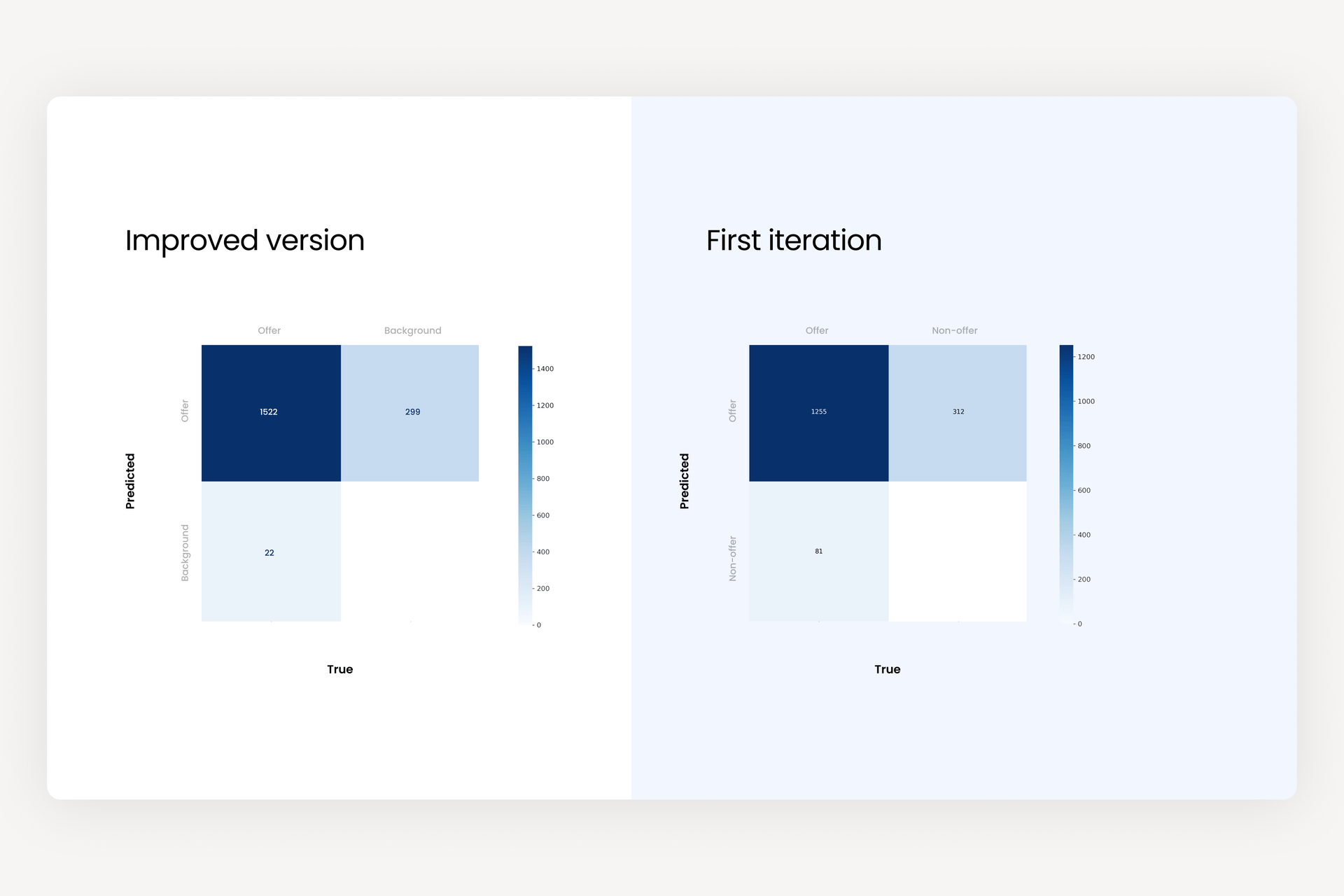
The process was set up iteratively. A pre-trained base model was fine-tuned on Folderz’s specific data, enabling it to learn to recognise the variation in layouts, visual styles and retailer-specific characteristics. Each iteration was analysed to identify where the model struggled and which adjustments had the greatest effect, including more complex edge cases such as lifestyle photography, where products appear in context-rich environments.
Modules
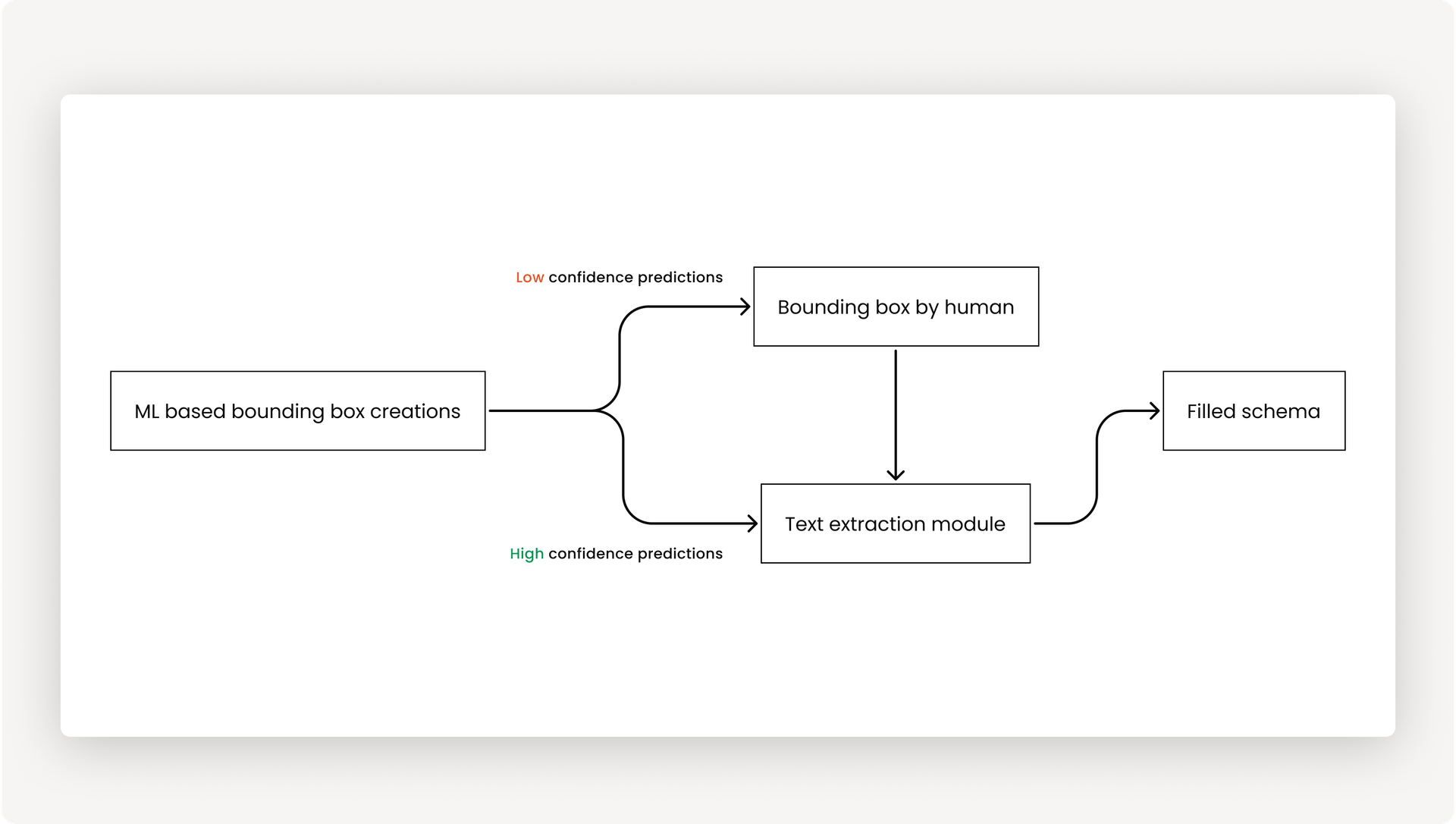
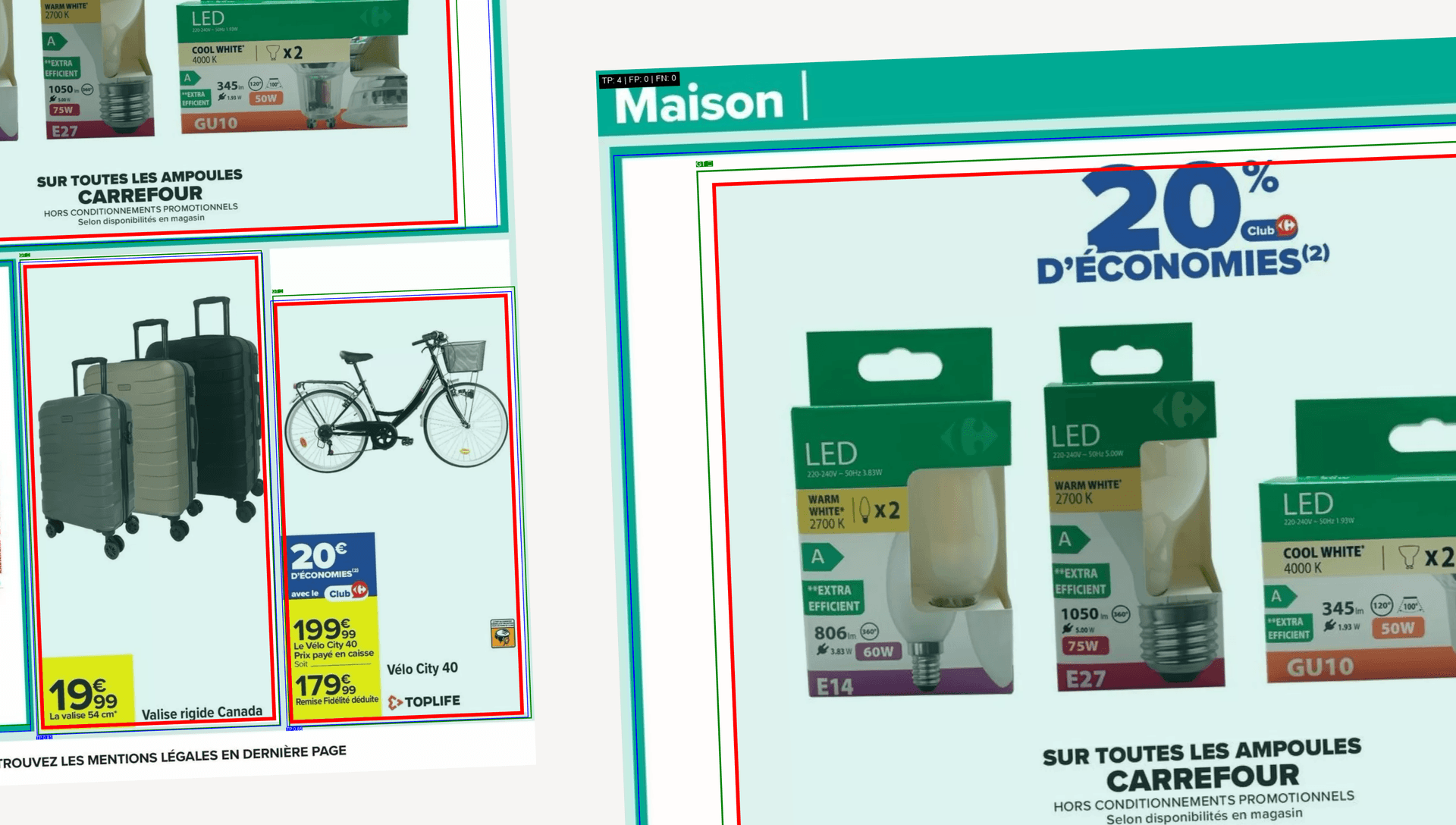
Image Detection Intelligence Detection of individual offers on leaflet pages, regardless of layout or visual style. The model recognises the boundaries between offers and isolates each item as a standalone unit.
Content Extraction Automatic cropping of the correct image per offer based on detected coordinates. Output is immediately usable for linking to price and product information.
Training Pipeline and Evaluation Infrastructure A structured pipeline for fine-tuning the model on new data, with an evaluation process that provides clear insight into where the model can be improved. Scalable to new retailers, languages and markets.

Daan Ruitenberg Partnership Manager
Curious how this works in your projects?
Connected operations
The intelligence layer connects directly to Folderz’s existing internal platform. Historical processing data is used as a training set, converting existing operational knowledge into automated processing capacity. Expansion to new markets or retailers does not require proportional growth in manual capacity.
Operational impact
The prototype automatically detects and crops offers from leaflet pages, with performance approaching that of manual execution. The technical infrastructure, a fine-tuned model, a training pipeline and an evaluation process, forms a scalable foundation for further expansion.
The next steps are text extraction per offer and multilingual support for the international markets in which Folderz operates. In doing so, the intelligence layer grows alongside the platform’s operational expansion.